Scientists Advance Electrolyte Engineering for Durable and Affordable Aqueous Batteries
Aqueous batteries, which use water-based electrolytes instead of flammable organic solvents, are considered a promising alternative for large-scale energy storage due to their enhanced safety, environmental friendliness, and lower costs. However, their widespread adoption has been limited by challenges such as reduced operating voltage and shorter cycle life.
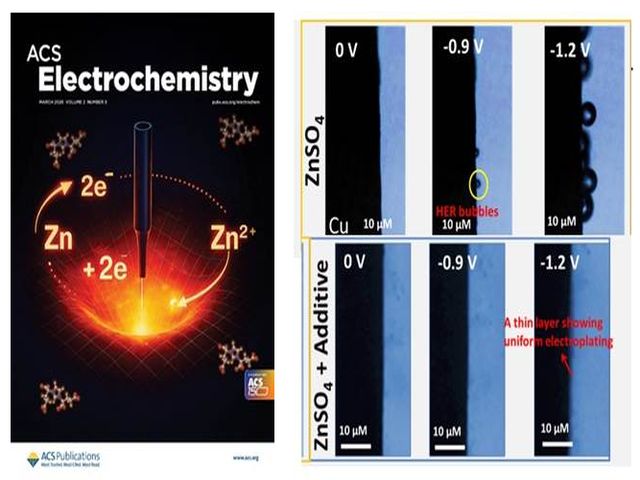
The latest research addresses these limitations through advanced electrolyte design, enabling improved stability at the electrode-electrolyte interface while minimizing unwanted side reactions. As a result, the batteries demonstrate enhanced cycling durability, better energy retention, and improved overall performance.
The development could accelerate the deployment of affordable and sustainable energy storage systems for renewable energy integration, electric grids, and backup power applications. The findings mark an important step toward commercializing high-performance aqueous batteries capable of supporting the growing global demand for clean energy storage solutions.